Compiler Design Gate Smashers ((full))

Dropping sections of code that can never be reached or whose outputs are never read by the program. Code Generation Challenges

Type checking, type casting, and semantic errors versus syntactic errors. 4. Intermediate Code Generation (ICG)

Maps the optimized intermediate code to the actual target machine language or assembly code. It handles register allocation and assignment.

Uses a separate pointer array to list the execution sequence of the triples, decoupling structure from memory layout. 7. Code Optimization and Target Code Generation

Study Theory of Computation (TOC) before Compiler Design. Concepts of Regular Languages and CFGs are directly applied here. compiler design gate smashers

┌───────────────┐ │ Parsers │ └───────┬───────┘ │ ┌─────────────────┴─────────────────┐ ▼ ▼ ┌───────────────────────┐ ┌───────────────────────┐ │ Top-Down Parsers │ │ Bottom-Up Parsers │ └───────────┬───────────┘ └───────────┬───────────┘ │ │ ┌─────┴─────┐ ┌─────┴─────┐ ▼ ▼ ▼ ▼ [ LL(1) ] [ Recursive [ LR(0) ] [ SLR(1) ] Descent ] ▼ ▼ [ LALR(1) ] [ CLR(1) ] 1. Top-Down Parsers

Three-Address Code (Quadruples, Triples, Indirect Triples), Postfix notation, and Syntax-Directed Translation (SDT) using S-attributed and L-attributed definitions. 5. Code Optimization

Checking grammar using Context-Free Grammars (CFG) and building a Parse Tree .

“Lexi Sings Silly Intermediate Optimized Code” (Lexical → Syntax → Semantic → Intermediate → Optimized → Code gen) Dropping sections of code that can never be

Watch out for "trick" questions counting the number of tokens in a snippet of C code. Remember that keywords, identifiers, constants, operators, and punctuation marks count as separate tokens. 2. Syntax Analysis (Parser)

GATE frequently tests your ability to find the minimal number of states required to construct a DFA for a given token pattern.

Do not start Compiler Design without a solid grasp of Regular Expressions and Context-Free Grammars from the Theory of Computation syllabus.

if (condition) x = a; else x = b;

For complex parsing questions, quickly test options using small, edge-case strings to eliminate incorrect grammar selections without building full parsing tables.

Ambiguity in grammars, Left Recursion, Left Factoring, and parsing techniques (LL, LR, SLR, LALR, CLR). 3. Semantic Analysis

A compiler is a sophisticated software system designed to translate high-level programming languages into machine code, bridging the gap between human-readable code and hardware execution. In the context of GATE, the focus is not just on writing a compiler, but on understanding the that drive it. Why is it important?

This comprehensive guide breaks down the core phases of Compiler Design, maps out the critical topics you must master, and provides the exact preparation strategy used by top rankers to ace these questions. 1. Syllabus Overview and Weightage Analysis When the CPU guesses wrong

When a compiler encounters an if statement, it traditionally generates a "gate"—a binary decision point where the CPU must guess which way to go. When the CPU guesses wrong, it’s a disaster. The pipeline stalls, instructions are flushed, and performance plummets.
See Through the Fakes.
Know What's Real.

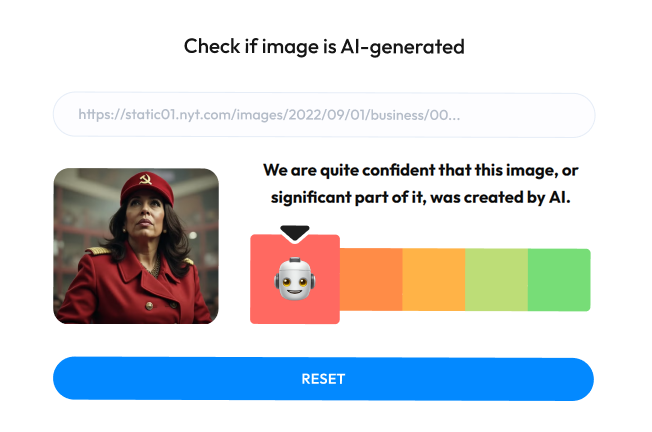
Instant AI Detection at Your Fingertips Don't let AI-generated images deceive you. WasItAI provides quick reliable results to help you make informed decisions about the content you encounter online.
step1

Step 1

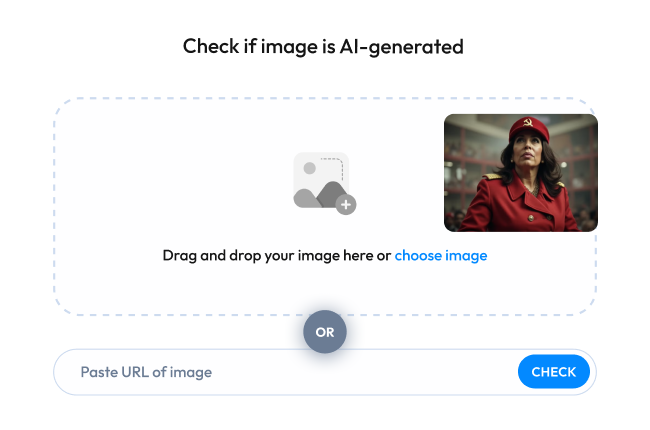
Upload Your Image. Drag and drop your photo or enter the image URL.

step2

Step 2

Let WasItAI Work its Magic. Our AI platform analyzes the image.

step3

Step 3

Get Your Results. Discover if AI is used to generate this image.

Blur background
Blur background

Don't Be Fooled by Fakes: How AI-Generated Images Can Harm You

AI-generated images are becoming increasingly sophisticated, but they're also being used for malicious purposes. Here's how:

Fake News and Propaganda

AI can be used to create realistic images of people saying or doing things they never did. This can be used to spread misinformation, sow discord, and manipulate public opinion.

Feature Photo 1

Art Theft and Copyright Infringement

AI can be used to create images that are derivative of copyrighted works. This can hurt artists' livelihoods and make it difficult to protect their intellectual property.

Feature Photo 2

ID Fraud

AI-generated images can be used to create fake identification documents. This can be used to commit identity theft, bypass KYC checks on crypto platforms, and for other crimes.

Feature Photo 3

AI Travel Scams: Fake Photos Making Fraud Believable

AI can be used to create entirely fake images of hotels, vacation rentals, and even entire destinations. These visuals make fraudulent listings appear legitimate, tricking travelers into handing over money for trips that don’t exist.

Feature Photo 4

E-Commerce and Marketplace Scams

AI-generated product photos make fraudulent listings look professional and trustworthy. Sellers use fake images to advertise goods that are low-quality, counterfeit, or don't exist at all — leaving buyers with empty wallets and no recourse.

E-Commerce and Marketplace Scams

Dating Apps and Social Media Catfishing

Scammers build convincing fake profiles on dating apps and social networks using AI-generated portraits of people who don't exist. Victims form real emotional connections, only to be manipulated into sending money, sharing personal data, or worse.

Dating Apps and Social Media Catfishing

KYC Bypass and Identity Fraud

AI-generated faces and forged documents are increasingly used to pass Know Your Customer verification on banks, crypto exchanges, and regulated platforms. Fraudsters open accounts, launder money, and commit financial crimes entirely under fictional identities.

KYC Bypass and Identity Fraud

Dropping sections of code that can never be reached or whose outputs are never read by the program. Code Generation Challenges

Type checking, type casting, and semantic errors versus syntactic errors. 4. Intermediate Code Generation (ICG)

Maps the optimized intermediate code to the actual target machine language or assembly code. It handles register allocation and assignment.

Uses a separate pointer array to list the execution sequence of the triples, decoupling structure from memory layout. 7. Code Optimization and Target Code Generation

Study Theory of Computation (TOC) before Compiler Design. Concepts of Regular Languages and CFGs are directly applied here.

┌───────────────┐ │ Parsers │ └───────┬───────┘ │ ┌─────────────────┴─────────────────┐ ▼ ▼ ┌───────────────────────┐ ┌───────────────────────┐ │ Top-Down Parsers │ │ Bottom-Up Parsers │ └───────────┬───────────┘ └───────────┬───────────┘ │ │ ┌─────┴─────┐ ┌─────┴─────┐ ▼ ▼ ▼ ▼ [ LL(1) ] [ Recursive [ LR(0) ] [ SLR(1) ] Descent ] ▼ ▼ [ LALR(1) ] [ CLR(1) ] 1. Top-Down Parsers

Three-Address Code (Quadruples, Triples, Indirect Triples), Postfix notation, and Syntax-Directed Translation (SDT) using S-attributed and L-attributed definitions. 5. Code Optimization

Checking grammar using Context-Free Grammars (CFG) and building a Parse Tree .

“Lexi Sings Silly Intermediate Optimized Code” (Lexical → Syntax → Semantic → Intermediate → Optimized → Code gen)

Watch out for "trick" questions counting the number of tokens in a snippet of C code. Remember that keywords, identifiers, constants, operators, and punctuation marks count as separate tokens. 2. Syntax Analysis (Parser)

GATE frequently tests your ability to find the minimal number of states required to construct a DFA for a given token pattern.

Do not start Compiler Design without a solid grasp of Regular Expressions and Context-Free Grammars from the Theory of Computation syllabus.

if (condition) x = a; else x = b;

For complex parsing questions, quickly test options using small, edge-case strings to eliminate incorrect grammar selections without building full parsing tables.

Ambiguity in grammars, Left Recursion, Left Factoring, and parsing techniques (LL, LR, SLR, LALR, CLR). 3. Semantic Analysis

A compiler is a sophisticated software system designed to translate high-level programming languages into machine code, bridging the gap between human-readable code and hardware execution. In the context of GATE, the focus is not just on writing a compiler, but on understanding the that drive it. Why is it important?

This comprehensive guide breaks down the core phases of Compiler Design, maps out the critical topics you must master, and provides the exact preparation strategy used by top rankers to ace these questions. 1. Syllabus Overview and Weightage Analysis

When a compiler encounters an if statement, it traditionally generates a "gate"—a binary decision point where the CPU must guess which way to go. When the CPU guesses wrong, it’s a disaster. The pipeline stalls, instructions are flushed, and performance plummets.